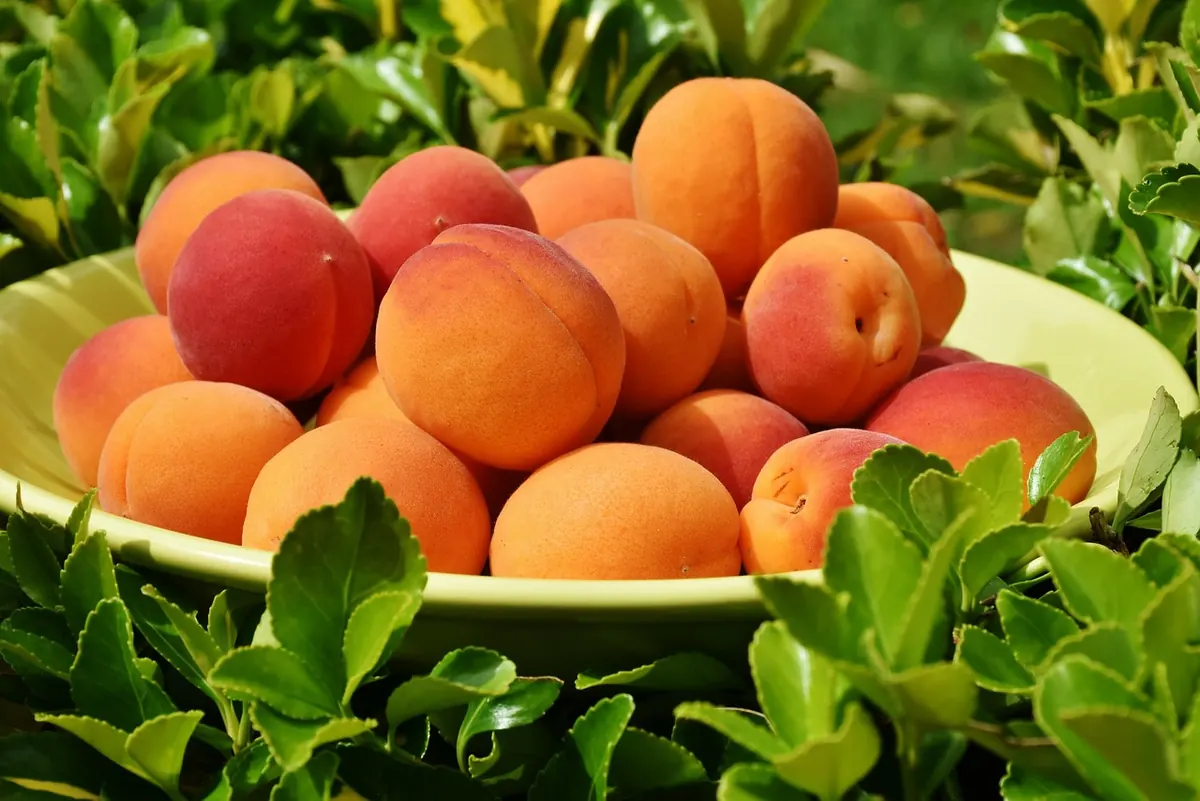
Ripening Peaches, Nectarines and Plums: A Stone Fruit Guide
A perfectly ripe peach is a fleeting thing. Buy a punnet on Friday and by Monday you either have three ready at once or a row of hard, woody fruit that never quite comes good. Nectarines and plums run on the same clock, though they give you different signals. Knowing which cues matter, and when to apply warmth or cold, turns a guessing game into something you can control.
How to judge ripeness without cutting in
Colour is the least reliable clue. Some varieties blush deeply while still hard; others stay pale when perfectly ready. Use your hand and your nose instead.
Cradle the fruit in your palm and press gently just beside the stem. A peach or nectarine at its best gives slightly, like a ripe avocado, and springs back. A dent that stays means you are late. Fruit that feels like a cricket ball means you are early.
Then smell the stem end. A ripe peach or nectarine has a sweet, almost floral perfume that you catch before you even bring it close. If there is nothing there, wait.
Plums ask for a slightly different test. Press across the whole fruit rather than one spot: a plum that is soft at the tip and hard at the stem is ripening unevenly. Look for the dusty white bloom on the skin, which is a natural wax and yeast coating and a decent sign of freshness, and check that the fruit feels heavy for its size. Weight usually means juice.
Why the fruit you bought is rock hard
Peaches, nectarines and most plums are climacteric, which means they carry on ripening after picking, giving off ethylene gas as they go. Growers pick them firm because soft fruit does not survive a lorry. The catch is what happens next: after harvest, stone fruit softens, loses some acidity and builds aroma, but it does not gain much sugar. A hard, bland peach will become a soft, bland peach.
That single fact should shape how you shop. Ripeness at the point of sale matters more than anything you do afterwards, so buy fruit that already smells of something.
How to speed up ripening
The aim is to trap the ethylene the fruit is already producing and keep it warm enough to act.
- Keep it at room temperature. A kitchen counter at roughly 18–21°C is ideal. Windowsills and radiators are not: uneven heat softens one side and leaves the other hard.
- Use a brown paper bag. Fold the top loosely rather than sealing it. The bag holds the gas in without trapping moisture.
- Add a ripe banana or apple. Both release plenty of ethylene and can pull a firm peach forward by a day.
- Lay fruit in a single layer, stem-side down. Piled fruit bruises, and bruises rot before the rest ripens.
- Check daily, then twice daily. In warm weather the gap between ripe and over-ripe can be a matter of hours.
- Skip plastic. Sealed bags and tubs sweat, and damp stone fruit grows mould quickly.
Most firm peaches and nectarines soften in two to four days. If nothing has happened after five, it was picked too early and no amount of coaxing will help.
How to hold ripening back
Once a fruit gives slightly under your palm, move it to the fridge. Cold slows the process rather than stopping it, and buys you several days.
Keep fruit unwashed in the salad drawer, loose in a bowl or in a perforated bag rather than tight plastic. There is a trade-off to know about: after about a week, peaches and nectarines can turn mealy, with dry, grainy flesh and a flat flavour. Plums generally hold up better.
Bring fruit out an hour or two before eating. A peach served straight from the fridge tastes of very little; at room temperature the aroma comes back. Check the drawer every day and move anything softening to the fruit bowl.
Peaches, nectarines and plums: the differences that matter
Peaches
The most fragrant and the most fragile. The shoulders around the stalk soften first, so that is where to press. White-fleshed varieties tend to be sweeter and milder; yellow ones have more tang. Once a peach starts to go, it goes quickly, and it bruises at the slightest knock.
Nectarines
Essentially a fuzzless peach, and the same rules apply. They arrive slightly firmer and their aroma is subtler, so trust the palm test over your nose. Without the fuzz, damage and bruising show plainly, and the skin holds moisture, so keep them dry. A wet nectarine in a bag will mould overnight.
Plums
The widest category of the three. Round, juicy Japanese-style plums sold for eating fresh soften on the counter much like a peach. European types, including damsons and most cooking plums, stay firmer and tarter, and are usually best left until fully ripe or softened for jam, compote and crumbles. A ripe eating plum gives across the whole fruit, smells sweet at the stem and still feels weighty in the hand.
When fruit gets away from you
A soft, fragrant, slightly over-ripe peach is not a failure; it is pudding. Halve and roast it with a knob of butter and a little sugar for twenty minutes, poach it in syrup with a vanilla pod, or drop it into a blender with yoghurt. Over-ripe plums make a sharp compote or a sauce that suits pork and duck.
For freezing, halve and stone the fruit, peel if you prefer, spread the halves on a tray and freeze them before bagging. That way they stay separate and you can take out as many as you need for smoothies or crumbles.
One line to hold: fermented smells, fizzy taste or visible mould mean the fruit is past rescuing. On something as soft and wet as a peach, surface mould usually means the whole fruit is compromised, so discard it rather than cutting around it.
A simple routine that works
Buy less than you think you need, and buy the fruit that smells best. Leave it on the counter in a single layer, far from the hob. Reach for a paper bag and a banana only when you want to hurry things along. Once fruit softens, put it in the fridge and eat it within a few days. Bring it out before you serve it, and freeze whatever you cannot get through. Do that and you will spend far less of the summer eating disappointing peaches.
Photo: RitaE / Pixabay