What to Do With Overripe Fruit: 8 Easy British Kitchen Recipes
What to Do With Overripe Fruit: 8 Easy British Kitchen Recipes
There is a moment in every kitchen when the fruit bowl turns. The bananas go speckled, the peaches soften to the point of collapse, the apples lose their snap. It feels like failure; it is usually an upgrade. Fruit past its best is sweeter, softer, and more concentrated in flavour, which is exactly what you want for baking, puddings, preserves, and slow-spooned desserts. The trick is not to rescue it. The trick is to use it well.
British cooking has always understood this. Long before anyone talked about reducing food waste, households were turning bruised apples into crumble, black bananas into loaf cake, and soft berries into jam. These are not lesser recipes. They are often the best ones: forgiving, generous, and deeply comforting. Overripe fruit brings moisture, natural sugar, and a tender collapse that firm fruit simply cannot manage.
Overripe fruit is not ruined fruit. It is fruit that has already done half the work for you.
Why Overripe Fruit Works So Well in British Baking
As fruit ripens, starches turn into sugars and pectin begins to break down. That is why a ripe banana tastes sweeter than a green one and why a soft peach collapses into a spoon rather than crunching. In a cake, this means extra moisture and a more caramelised flavour. In a crumble, it means the fruit softens into a jammy filling without needing much added sugar. In a chutney, it means the fruit breaks down quickly and takes on spice, vinegar, and sugar beautifully.
There is also a practical bonus. Overripe fruit is often cheaper, sometimes reduced at the market, and almost always more intensely flavoured. A punnet of strawberries that would be disappointing raw can become a vivid jam or a summery pudding. A pear that has gone grainy and soft is perfect for chutney. Nothing is wasted, and the kitchen smells wonderful.
How to Tell If Overripe Fruit Is Still Safe to Use
Softness is fine. Bruising is fine. A little discolouration is fine. What you want to avoid is mould, a sour fermented smell, or fruit that is leaking suspicious liquid. If there is fuzz, throw it away or compost it. If it smells strongly of alcohol or vinegar, it has begun to ferment and is better discarded. If it simply smells ripe and sweet, you are in business.
Use common sense. Cut away any bruised patches, taste a small piece, and trust your nose. Fruit that is merely past its peak is a gift. Fruit that is actively spoiling is not. When in doubt, cook it thoroughly, because heat will deal with texture but not with mould or spoilage.
1. Banana Bread
This is the recipe most British kitchens turn to when the fruit bowl has gone beyond reason. Black bananas are gold: their starch has turned to sugar, so the loaf tastes caramelised rather than simply sweet.
Ingredients
- 3 very ripe bananas, mashed
- 100g unsalted butter, melted
- 150g soft light brown sugar
- 2 large eggs
- 1 teaspoon vanilla extract
- 250g self-raising flour
- 1 teaspoon baking powder
- 1 teaspoon ground cinnamon
- A pinch of salt
- Optional: 75g walnuts or dark chocolate chips
Method
- Heat the oven to 175°C, Gas Mark 4, and line a 2lb loaf tin with baking paper.
- Mash the bananas in a large bowl, then stir in the melted butter, sugar, eggs, and vanilla.
- Fold in the flour, baking powder, cinnamon, and salt. Stop as soon as no dry flour remains.
- Scrape into the tin and bake for 50 to 60 minutes, until a skewer comes out with a few moist crumbs.
- Cool in the tin for 10 minutes, then turn out. It slices best once fully cold, but warm is not a crime.
2. Apple and Blackberry Crumble
Apples that have lost their snap are ideal here. They soften quickly and take on the blackberries’ colour, turning the filling a deep, jewelled purple. This is the pudding to make on a grey afternoon.
Ingredients
- 700g overripe apples, peeled, cored, and sliced
- 200g blackberries
- 2 tablespoons caster sugar
- 1 teaspoon ground cinnamon
- 1 tablespoon lemon juice
- 150g plain flour
- 75g cold butter, cubed
- 75g demerara sugar
- 50g porridge oats
- A pinch of salt
Method
- Heat the oven to 180°C, Gas Mark 4.
- Toss the apples, blackberries, caster sugar, cinnamon, and lemon juice in a baking dish.
- Rub the butter into the flour until it looks like rough breadcrumbs, then stir in the demerara sugar, oats, and salt.
- Scatter the crumble over the fruit and bake for 35 to 40 minutes, until golden and bubbling.
- Rest for 10 minutes before serving with custard, cream, or vanilla ice cream.
3. Quick Berry Jam
Soft strawberries, raspberries, and blueberries make a small-batch jam that is far better than anything from a supermarket shelf. It will not keep for months like a proper preserve, but it will transform toast, scones, and yoghurt.
Ingredients
- 500g soft mixed berries
- 350g jam sugar with pectin
- 1 tablespoon lemon juice
- A small knob of butter
Method
- Sterilise a couple of jam jars and their lids.
- Put the berries and lemon juice in a wide pan and heat gently until the juices run.
- Add the jam sugar and stir until dissolved, then bring to a rolling boil.
- Boil for 5 to 8 minutes, stirring often, until the jam wrinkles when dropped on a cold plate.
- Stir in the butter to reduce foam, then pour into the jars and seal.
4. Peach and Almond Traybake
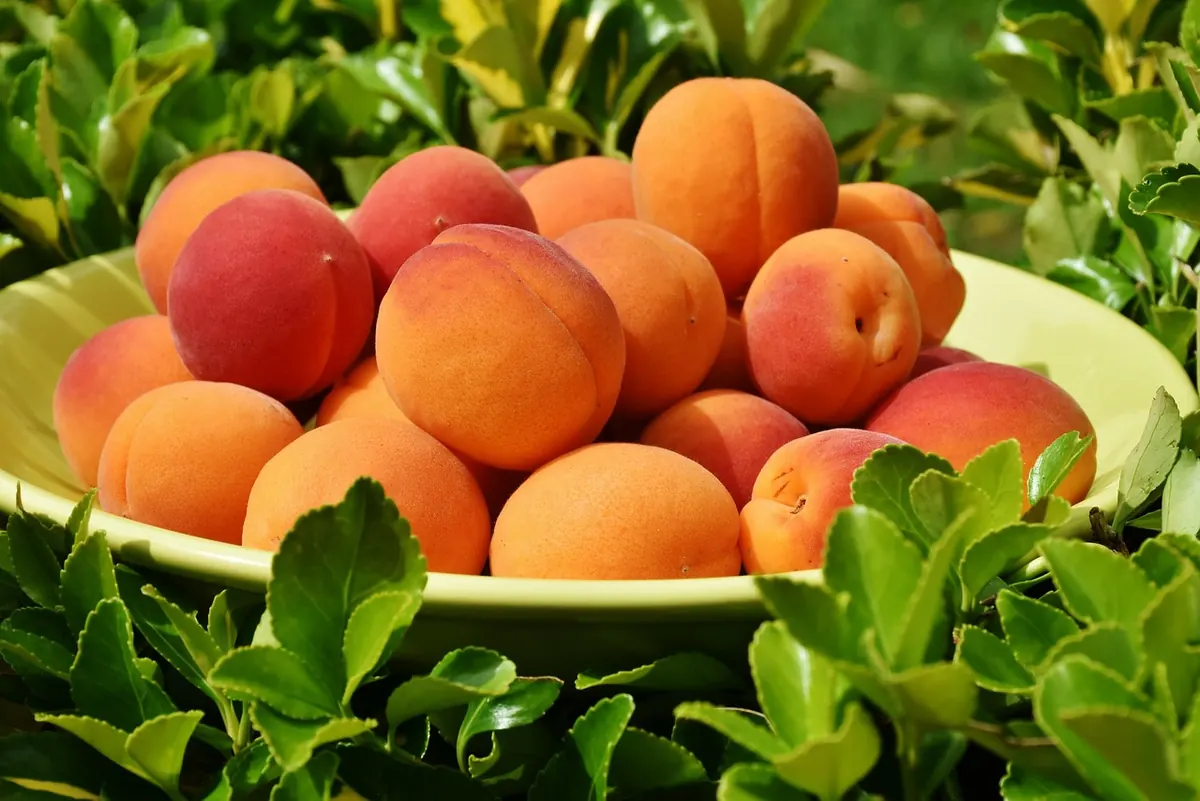
Peaches on the turn are fragrant and juicy. Here they sink into a light almond sponge, becoming soft pockets of sweetness. It is elegant enough for visitors but easy enough for a Tuesday.
Ingredients
- 4 overripe peaches, stoned and sliced
- 200g soft butter
- 200g caster sugar
- 3 large eggs
- 150g self-raising flour
- 50g ground almonds
- 1 teaspoon almond extract
- 2 tablespoons flaked almonds
- Icing sugar, for dusting
Method
- Heat the oven to 180°C, Gas Mark 4, and line a rectangular traybake tin.
- Beat the butter and sugar until pale, then beat in the eggs one at a time.
- Fold in the flour, ground almonds, and almond extract.
- Spread into the tin and press the peach slices gently into the top. Scatter with flaked almonds.
- Bake for 35 to 40 minutes, until golden and firm. Cool, then dust with icing sugar.
5. Pear and Ginger Chutney
Grainy, soft pears are perfect for chutney. The long simmer breaks them down into a sticky, spiced preserve that is excellent with cheese, cold meats, or a ploughman’s lunch.
Ingredients
- 1kg overripe pears, peeled, cored, and chopped
- 250g onions, finely chopped
- 150g raisins
- 200g soft brown sugar
- 250ml cider vinegar
- 1 tablespoon grated fresh ginger
- 1 teaspoon mustard seeds
- 1 teaspoon salt
- A pinch of chilli flakes
Method
- Put everything in a heavy pan and bring to a gentle simmer.
- Cook uncovered for 1 to 1½ hours, stirring often, until thick and glossy.
- Spoon into sterilised jars and seal.
- Leave to mature for at least two weeks before eating.
6. Overripe Banana Pancakes
These are quicker than banana bread and use up a single sorry-looking banana. The riper the banana, the sweeter and softer the pancakes.
Ingredients
- 1 very ripe banana
- 1 large egg
- 75g self-raising flour
- 1 tablespoon milk
- A pinch of ground cinnamon
- Butter, for frying
- Maple syrup or yoghurt, to serve
Method
- Mash the banana in a bowl, then whisk in the egg, flour, milk, and cinnamon.
- Let the batter rest for 5 minutes.
- Melt a little butter in a non-stick pan and spoon in small rounds of batter.
- Cook for 2 minutes per side, until golden and puffed.
- Serve warm with maple syrup, yoghurt, or extra sliced banana.
7. Soft Fruit Eton Mess
Eton Mess is less a recipe than a happy assembly. Overripe strawberries and raspberries are ideal because they release their juices and stain the cream in pink streaks.
Ingredients
- 400g soft strawberries and raspberries
- 1 tablespoon caster sugar
- 1 teaspoon lemon juice
- 300ml double cream
- 2 tablespoons icing sugar
- 4 meringue nests, crushed
- A few mint leaves, to serve
Method
- Slice the fruit, toss with caster sugar and lemon juice, and leave for 15 minutes.
- Whip the cream with the icing sugar until it holds soft peaks.
- Fold in the fruit and most of the crushed meringue.
- Spoon into glasses and top with the remaining meringue and mint.
8. Summer Pudding
This is the classic British answer to a glut of soft berries. Stale bread is not a compromise here; it is essential. It soaks up the fruit juices and turns into a deep crimson, spoonable pudding.
Ingredients
- 800g mixed soft berries
- 100g caster sugar
- 1 tablespoon lemon juice
- 8 to 10 slices stale white bread, crusts removed
- Double cream, to serve
Method
- Simmer the berries, sugar, and lemon juice gently for 5 minutes.
- Line a pudding basin with the bread, overlapping the slices so there are no gaps.
- Spoon in the fruit and most of the juice, reserving a little juice for serving.
- Cover the top with more bread, then place a saucer and a weight on top.
- Chill overnight, turn out onto a plate, and spoon over the reserved juice. Serve with double cream.
Freezing Overripe Fruit for Later
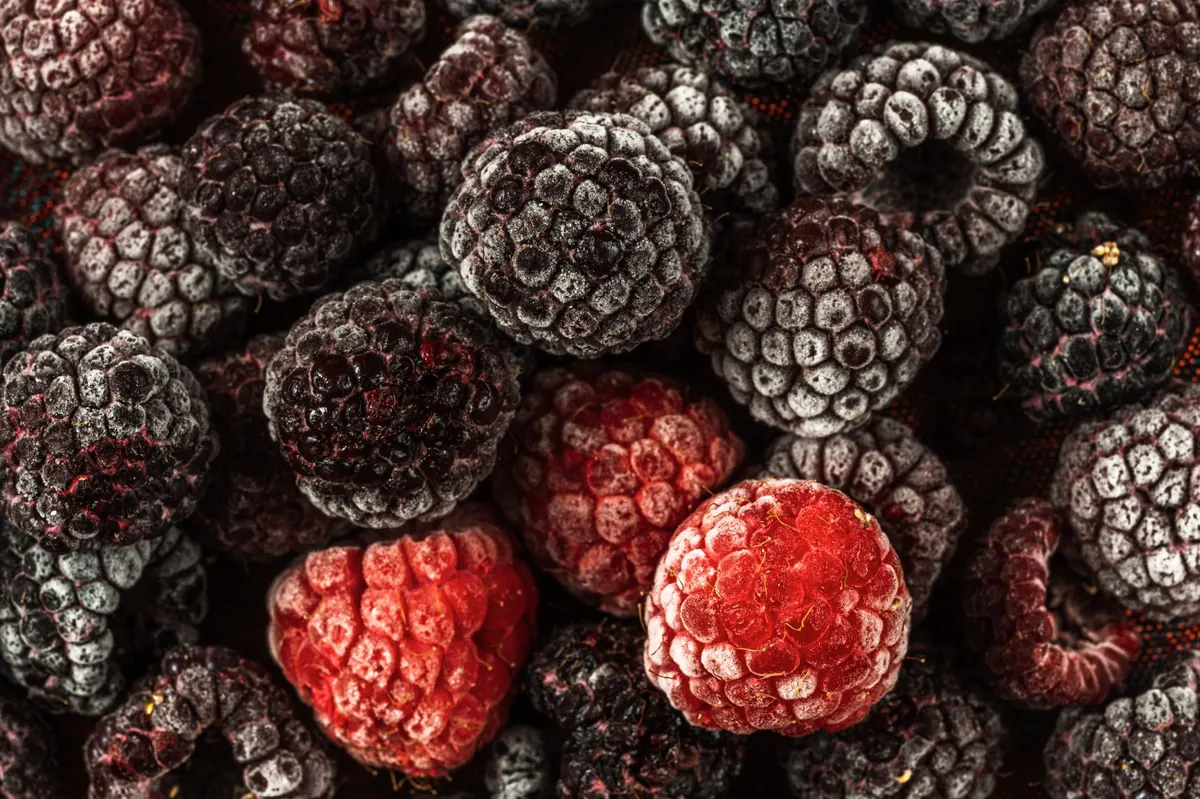
If you cannot cook immediately, freeze the fruit. Peel bananas, slice them, and freeze in bags for smoothies or banana bread. Spread berries on a tray, freeze until solid, then tip into bags so they do not clump. Stone fruit can be sliced and frozen with a little sugar. Stewed apples and pears freeze beautifully in portions. Label everything with the date and use within six months for best flavour.
Do not freeze fruit that is already mouldy or fermented. Freezing pauses time; it does not undo spoilage. But for fruit that is simply soft and ripe, the freezer is a useful pause button.
Flavour Pairings That Always Work
- Banana: cinnamon, nutmeg, chocolate, walnut, rum, peanut butter.
- Apple: blackberry, cinnamon, clove, toffee, sage, pork.
- Pear: ginger, cardamom, blue cheese, walnut, honey.
- Berries: vanilla, lemon, mint, basil, black pepper, cream.
- Stone fruit: almond, thyme, honey, mascarpone, raspberry.
If the fruit is very juicy, add a tablespoon of cornflour to bakes or simmer chutney for longer. If it is very sweet, add lemon juice. If it tastes flat, a pinch of salt and a little acid will wake it up. Overripe fruit is forgiving, but it still rewards a cook who tastes as they go.
So the next time the fruit bowl looks defeated, do not sigh and reach for the bin. Reach for the flour, the sugar, the spice, and the jam pan. The bananas are ready. The apples are willing. The berries are already halfway to pudding. In a British kitchen, that is not a problem. It is dinner, tea,
Photo: eat kubba / Pexels