Should You Refrigerate Tomatoes? A Guide for British Kitchens
Tomatoes cause more quiet disagreement in British kitchens than almost anything else in the fruit bowl. Some people drop them in the fridge door without a second thought. Others treat the worktop as sacred ground and would never let a tomato near a shelf. Both camps have a point, and the answer comes down to one thing: how ripe the tomato is right now.
Get that right and the rest is simple. Here is what cold actually does, when the fridge earns its place, and the rule worth keeping.
What cold does to a tomato
A tomato is a warm-weather fruit. It ripens in heat, and its flavour is built from aromatic compounds produced by enzymes that work best at room temperature. Chill a tomato for long enough and those enzymes slow down or stop altogether. Warm it up again and they do not fully recover.
What you notice first is flatness. The sugars and acids are largely still there, so a chilled tomato does not taste of nothing — it tastes of less. The sweet, grassy, faintly sharp notes that make a home-grown tomato worth growing go quiet, and what is left is watery and a little metallic.
Texture goes next. The cell walls in a tomato are sensitive to cold, and below roughly 12°C the structure begins to break down unevenly. The result is that grainy, cottony flesh — mealy, if you have come across the American word for it. Sliced into a salad, it slumps instead of holding its shape.
Underripe tomatoes suffer most
A pale, hard supermarket tomato that goes straight into the fridge will never ripen properly. The cold interrupts the process, so it stays bland and then softens without ever sweetening. Ripeness first, refrigeration second.
When the fridge is the right call
There are plenty of times the fridge wins, and refusing to use it simply wastes good tomatoes.
- They are fully ripe and you will not eat them today or tomorrow. A day or two in the cold costs you some aroma. A day or two on a warm worktop costs you the tomato.
- It is genuinely hot. During a heatwave, a sunny kitchen can push a ripe tomato past its best in a few hours. The fridge is the lesser evil.
- They have been cut. A sliced or halved tomato belongs in a covered container in the fridge and should be eaten within a day or two. That is a food safety point, not a flavour one.
- You have a glut. If the plants have gone mad and you cannot keep up, chill the ones you plan to eat raw, and cook the rest into sauce, soup or roast trays. Cooked tomatoes lose nothing to the cold.
- They are already softening. Chilling buys you a little time before they turn.
The worktop rule, in plain terms
Keep tomatoes out of the fridge until they are fully coloured and give slightly when you press the shoulder near the stem. Then eat them within a day or two. That is the whole rule.
How you store them on the worktop matters almost as much as where. A few practical points:
- Room temperature means roughly 18–22°C — not the windowsill above a radiator, and not in direct midday sun, which can cook the skin.
- Set them stem-side down in a single layer or a shallow bowl. Piling them deep bruises the ones underneath, and bruised tomatoes rot first.
- Leave them loose. A plastic bag traps moisture and encourages mould; if you must bag them, use paper.
- Keep ripe tomatoes away from bananas and apples if you want them to last, since those fruits release ethylene gas, which hurries ripening along. The same trick works in your favour when you want a tomato to ripen faster.
How to ripen a supermarket tomato
Most tomatoes sold in Britain are picked firm so they survive the journey. They will ripen at home, given the right conditions.
- Leave them out at room temperature, stem-side down, in a warm spot out of direct sun.
- To speed things up, put them in a paper bag with a ripe banana or apple for a day or two. Check daily — the change can happen quickly.
- Never put an unripe tomato in the fridge to ripen it. Cold does not ripen anything; it only pauses.
- When the colour deepens and the flesh gives slightly, it is ready. Eat it, or move it to the fridge if you cannot get to it in time.
If you do chill them, do it well
Chilled tomatoes are not ruined, especially if they have only been in the cold for a short while. Take them out half an hour to an hour before you eat them and let them come back to room temperature. Some aroma returns, and your palate reads flavour better when food is not ice-cold anyway. A pinch of salt and a drizzle of good olive oil will do more for a cold tomato than anything else.
Keep them in the warmer part of the fridge — a drawer or a shelf rather than the coldest spot at the back — and do not forget them for weeks. Use them where texture matters least: roasted, blitzed into a sauce, stirred through a stew, or grilled until the edges catch and caramelise.
The short answer
Leave tomatoes on the worktop while they ripen, and eat them at room temperature. Move them to the fridge only when you need to buy time: when they are fully ripe and you will not get to them, when the kitchen is unusually hot, or when they have been cut. Bring them out before serving, and save the chilled ones for cooking.
If you grow your own, try this once. Taste a tomato straight off the plant, then taste one that has spent two days in the fridge. The difference will settle the argument in your kitchen for good.
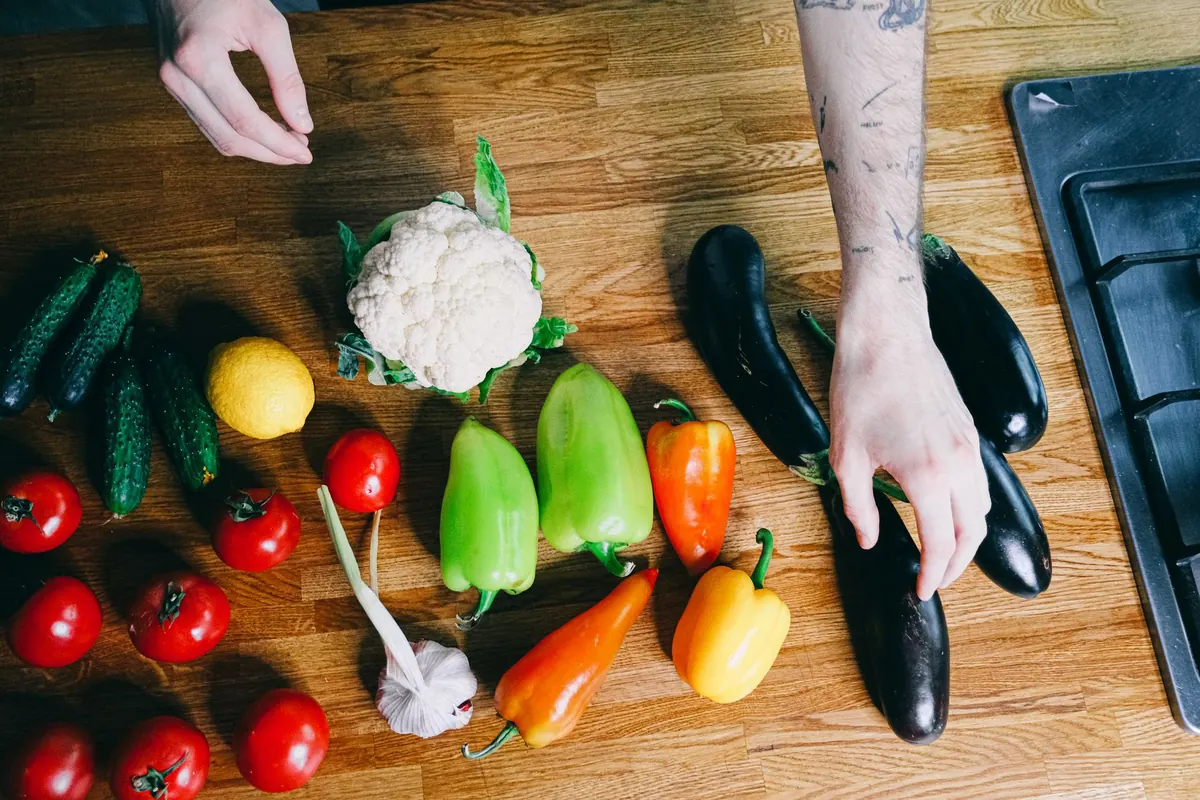
Photo: Anna Shvets / Pexels